Yesterday in STEM class we attacked a challenge that kept all of the students engaged, so I am excited to share the details with you!
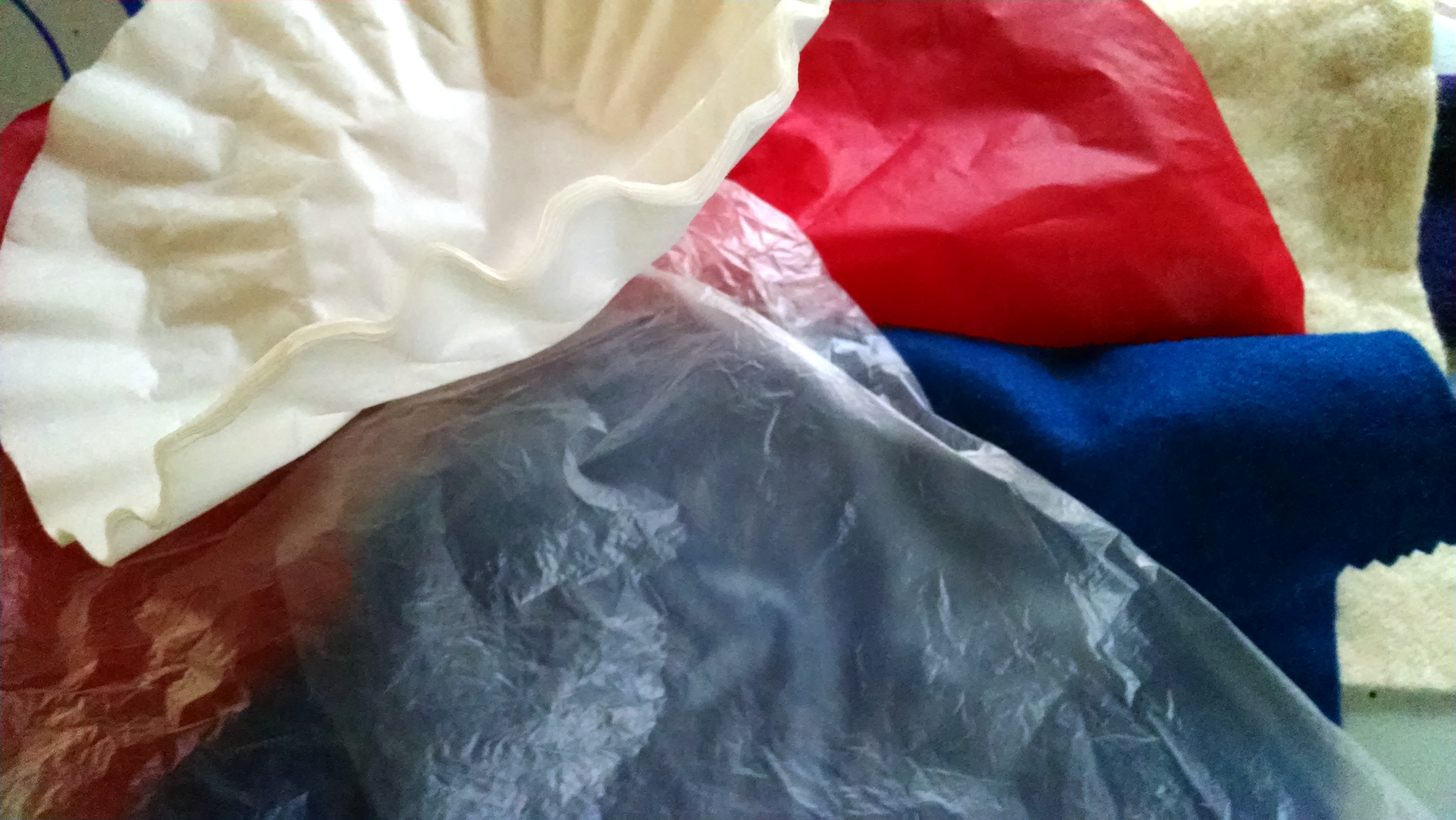
Initially the challenge is to make a sled slide down a slope, or ramp, as quickly as possible. First, the students chose a material for their sled (we had coffee filters, plastic sheeting, tablecloths, and felt squares:
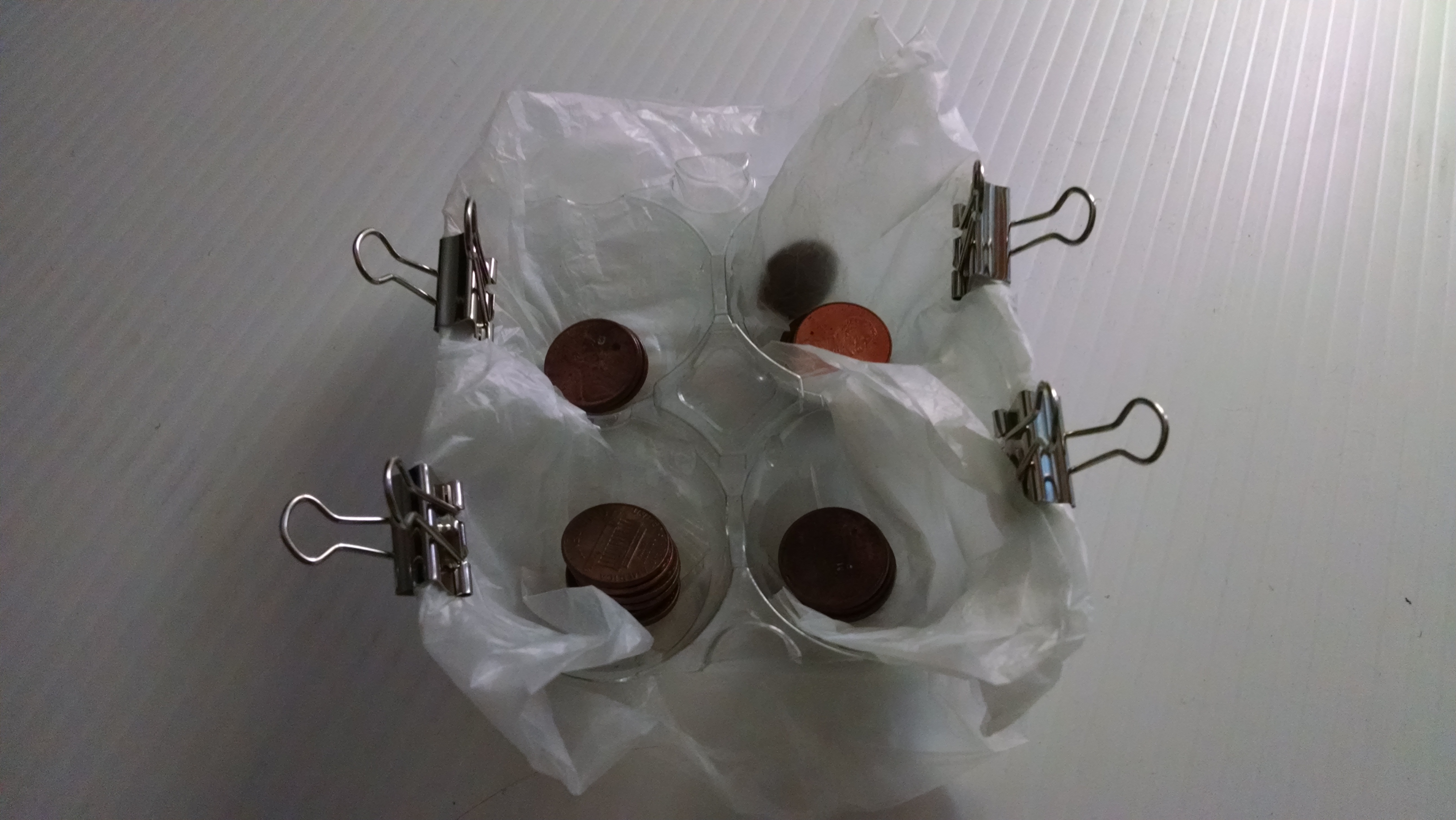
Then they added weights to their egg carton sled bases (we used pennies). The students had to use at least 2 pennies but could distribute them any way they wanted in the egg holders.
After testing out their sled times with the help of a stopwatch and recording the times on their recording sheets, they tried to improve their sleds by changing one of the factors at a time (material or weight). The students quickly found that the plastic sheets, for example, made the sleds slide a lot faster than the felt squares! They also realized that more pennies could help, but too many pennies meant the sled could tip at the end and spill the pennies, so then they had to build a cover for the sled.
After all of the students experimented with their sled design, I announced the big change in design criteria. Instead of making the fastest sled, now we were going to make the slowest sled. This is slightly trickier, as the sled has to move the whole way down the slope, but take the longest time. If the sled just sits there, it doesn’t count. It has to make it the whole way down to the bottom. All of the students who were disappointed with their initial designs in the first part of the challenge knew exactly which materials to use. Here is our slope, and I apologize about the quality of the photo. I took a bunch of photos of the sleds in action but they came out too blurry! We used a giant sheet of plastic cardboard I found at Home Depot, which I chose for its portability and fairly smooth surface:
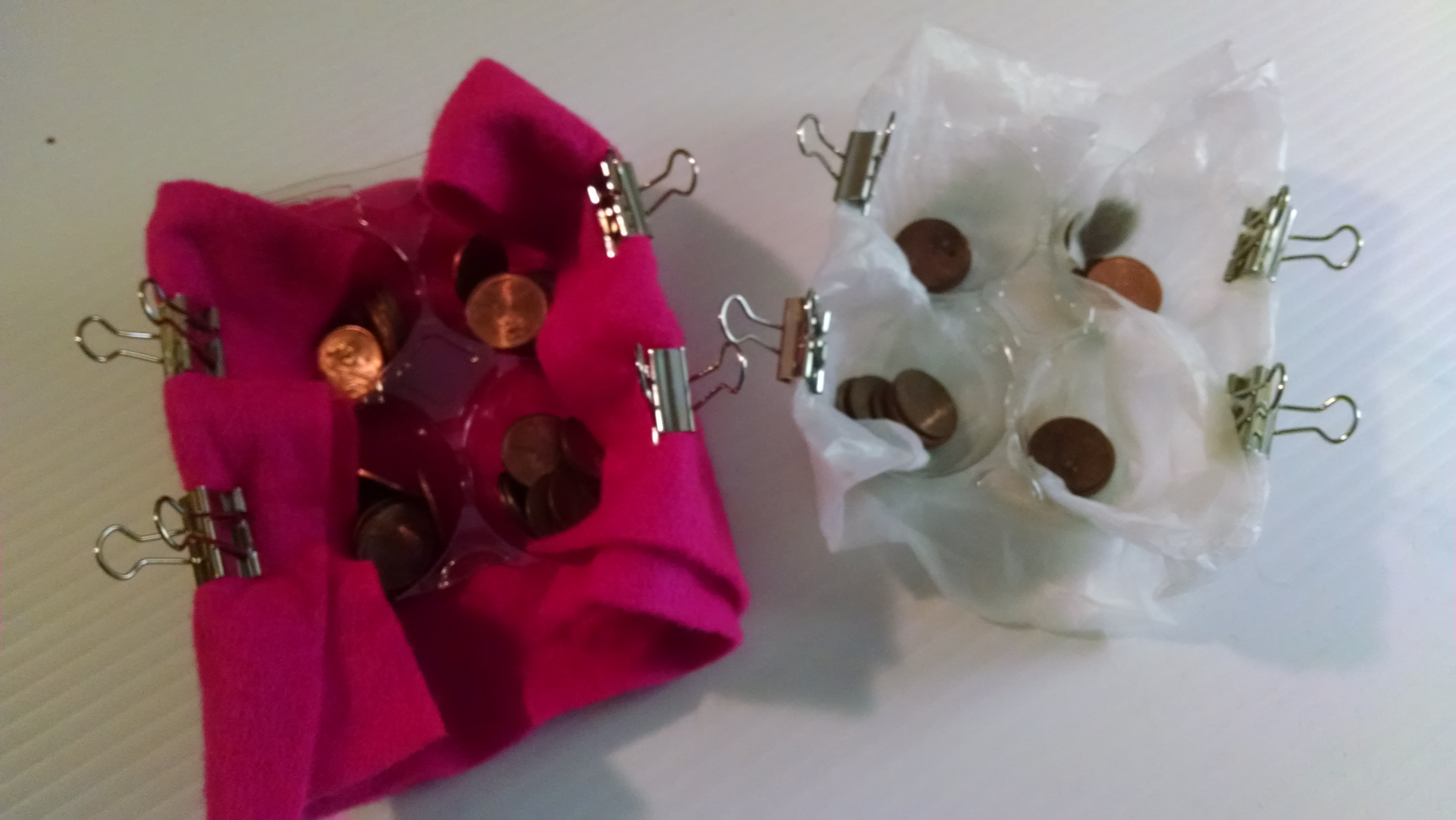
Another shot of two of the sleds.
This sled STEM challenge is one of the challenges found in the resource listed below, which I have listed over at Teachers pay Teachers. In my class, I start off each STEM challenge with a brief introduction about the real world applications of the challenge, as well as the important STEM concepts we will be learning about. Each of the challenges has detailed instructions as well as vocabulary words so we can all “talk like an engineer.” If you are learning about force and motion, the sled STEM challenge is a great way to get a hands-on feel for those concepts. You can see all of the challenges included by visiting the listing:
or find it listed individually here:
Pin these ideas for later:
Thank you for stopping by!
-Meredith
If you haven't spent much time scrolling social media lately, you might have missed the…
Bringing the Engineering Design Process into Your Classroom The engineering design process is one of…
You've (almost) made it! Testing season is (hopefully) behind you, and now it’s time to…
A hands-on engineering challenge that brings the classic fairy tale to life! This Three Little…
Create Stop Motion Animation Films with Students in 8 Simple Steps! Is the creativity and…
Black History Month is the perfect time to spotlight trailblazers who changed the world—and to…
This website uses cookies.
View Comments
You said you used table cloths as a sled making material. Do you mean cloth napkins, paper napkins, or table cloth fabric? In looking at your photo I could see plastic sheeting, felt, what looks like tissue paper, and coffee filters. I am excited to try this project with my students this week! I have most of the materials already. I don't have plastic cardboard but I do have regular cardboard. I assume you like the plastic cardboard because it is white like snow.
You can actually use any of those cloth options! Kids will need to decide which they think will reduce (or increase) the friction on the sled to make it go faster (or slower). It's great to provide as much variety as possible so whatever you have will work - even paper towels or paper. I actually liked the plastic cardboard because it's a very long sheet (6 feet), it's quite smooth, and it can form a nice slope. It also lasts for years and is great for other uses too, like racing cars. You can use a big piece of cardboard or a folding table, though. =)
Hi Meredith! Thanks for getting back to me right away! I am doing this challenge tomorrow and Wednesday, and I'm gathering my materials now. I got the plastic cardboard because I think my students will be more inspired with a snow like surface (even though I have a cardboard ramp from another challenge.) I live in a rainy place but we can see snow on the mountains. Also the Winter Olympics are starting and I thought this might be a way to connect with that. I'm going to read some poems about sledding too!
That sounds great! Good luck!
I love how you used do-anywhere, every-day materials to explore rich concepts by changing the many variables (e.g., mass, surface material). This cool challenge could be used in upper grades too by precisely gathering data from multiple trials. Thanks for the post!
Thanks! Yes it definitely lends itself to upper grades too - if you are able to construct multiple ramps (instead of just straight), such as one that is wavy or has a "jump" it makes it even more interesting! =)